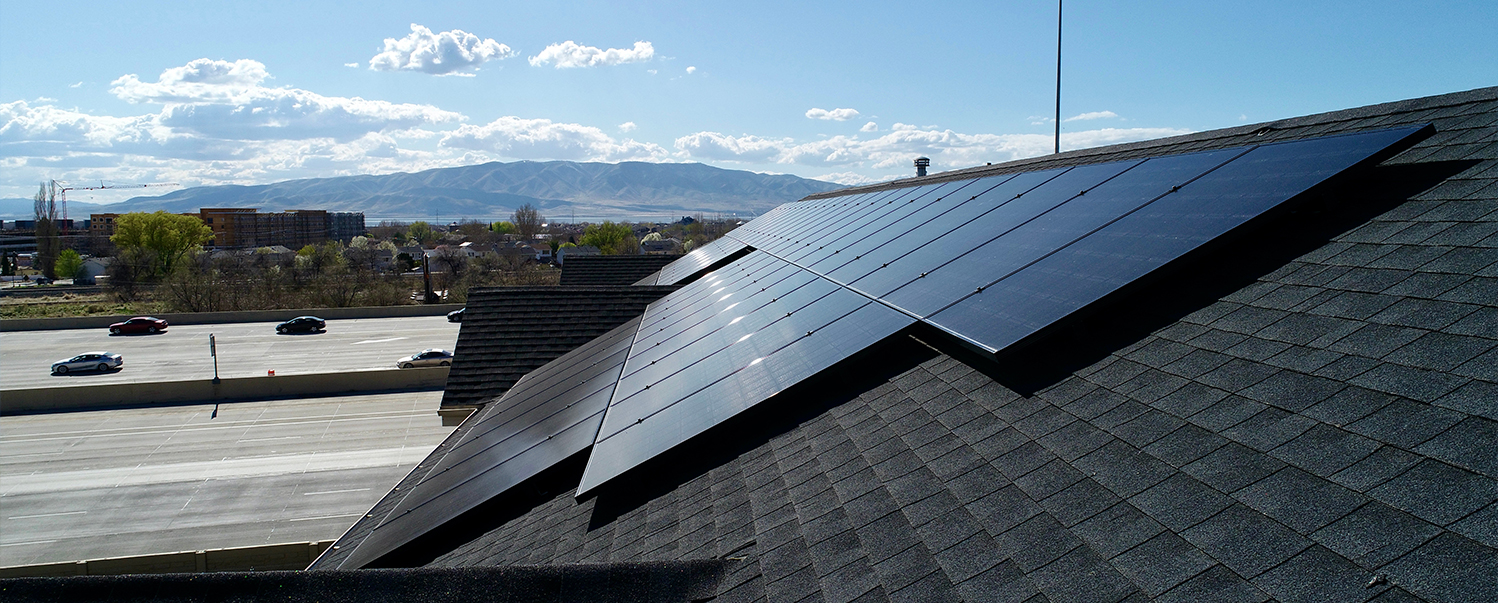
Solar Panel Grants, VAT & SEG in 2026: What You’re Actually Entitled To

There’s a lot of noise online about “free solar panels” and government grants, and most of it oversimplifies a system that’s genuinely worth understanding properly. The truth in 2026 is more useful than either “it’s all free” or “there’s no help at all” — there’s real, meaningful support available, it just depends on your circumstances. Here’s what’s actually on offer.

0% VAT — available to everyone, no application needed

Since 2022, solar panels and battery storage installed in residential properties in the UK have qualified for 0% VAT, rather than the standard 20%. This relief is currently set to run until 31 March 2027. It’s applied automatically by your installer — there’s no separate form to fill in — and on a typical 4kW system it represents a saving in the region of £1,000 to £2,000 compared to the same install with VAT added.

This is the one piece of support that applies to every homeowner, regardless of income or location, which makes it worth factoring into any cost comparison you’re doing.

The Smart Export Guarantee (SEG) — getting paid for what you don't use

Once your system is installed and MCS-certified, you’re entitled to register for the Smart Export Guarantee. This is a scheme that pays you for any surplus electricity your panels generate and export back to the grid, rather than that electricity going to waste.

A few things worth knowing:

– Rates vary significantly between suppliers — broadly from a few pence per kWh up to the mid-teens for solid fixed tariffs, with some variable, time-of-use tariffs paying considerably more at peak export times for households with a battery and a smart inverter.

– You don’t have to use the same supplier for import and export. You can buy your electricity from one company and register your SEG export with a completely different one, based on whichever offers the better rate.

– Typical annual SEG income for a 4kW system without a battery tends to fall in a few hundred pounds per year range, though this depends heavily on your tariff choice, location, and how much electricity you export rather than use yourself.

– Adding a battery usually reduces your SEG income (because you’re using more of what you generate, rather than exporting it) but increases your overall savings by cutting your import bill — so it’s about total value, not maximising one number in isolation.

Because rates and terms shift fairly often, it’s worth checking current tariffs directly with suppliers — or asking your installer — rather than relying on a fixed figure from any single article, including this one.

Means-tested and targeted grant schemes

Outside of VAT and SEG, which apply universally, there are a small number of targeted schemes for specific households:

– The Warm Homes Plan (which has been rolling out support for lower-income households) can fund a significant portion, or in some cases all, of a solar installation for households on qualifying benefits with a lower-rated Energy Performance Certificate.

– Local council-backed group-buying schemes, sometimes branded as “Solar Together” style initiatives, run in specific regions and can secure better collective pricing for participating homeowners, regardless of income.

– Scotland and Wales run their own separate support schemes alongside the UK-wide VAT and SEG benefits, with different eligibility rules to England.

If you’re not sure which of these you might qualify for, eligibility usually comes down to your benefits status, your EPC rating, and your local authority area — all things worth raising directly when you get your quotes, rather than trying to self-assess from a generic online checklist.

Watch out for “too good to be true” claims

If you see adverts promising a guaranteed free solar panel grant for every homeowner, treat it with scepticism. There’s no universal scheme that hands out free panels regardless of circumstances — genuine support is either universal-but-modest (VAT, SEG) or meaningful-but-targeted (income and EPC-based schemes). Anything promising more than that, without asking about your circumstances first, is worth double-checking.

How Sort My Solar helps

Working out which combination of VAT relief, SEG tariffs, and grant eligibility applies to your specific situation isn’t always straightforward — and it can meaningfully change what a system actually costs you in year one and beyond. As part of matching you with the right installer, we’ll help you understand which of these genuinely apply to your home, so your comparison is based on the real cost, not just the headline price.

Get your free, matched quote and find out what support you’re actually entitled to.

Here what our customers say

❝

“No pressure selling, just honest advice. The service was first class from the very first call.”

Keith
❝

“SortMySolar handled the entire process, and the installation was quicker than we ever expected.”

Leslie
❝

“The figures were realistic and believable, and the payment option made solar finally possible for us.”

Martin & Mandy
❝

“With a newborn and busy careers, we’d never have found the time to go solar, but SortMySolar made it completely stress-free.”

Mr & Mrs Rose

Frequently asked questions

How much can I save with solar panels?

Savings vary depending on your energy usage and system size, but most homeowners see a significant reduction in their electricity bills - with the added benefit of earning from excess energy exported back to the grid.

How long does installation take?

Savings vary depending on your energy usage and system size, but most homeowners see a significant reduction in their electricity bills - with the added benefit of earning from excess energy exported back to the grid.

Do I need planning permission?

Savings vary depending on your energy usage and system size, but most homeowners see a significant reduction in their electricity bills - with the added benefit of earning from excess energy exported back to the grid.

What happens during the installation process?

Savings vary depending on your energy usage and system size, but most homeowners see a significant reduction in their electricity bills - with the added benefit of earning from excess energy exported back to the grid.

Will solar panels work in the UK climate?

Savings vary depending on your energy usage and system size, but most homeowners see a significant reduction in their electricity bills - with the added benefit of earning from excess energy exported back to the grid.

Ready to start saving?

Generate your own electricity and reduce your energy bills now.